Hours at a desk do not just tighten the neck. They alter how the body arranges itself. Shoulders round, the head wanders forward, breath gets shallow, and the low back alternates in between stiffness and ache. The trouble builds gradually, then shows up as tension headaches before a huge deadline or a persistent knot along the shoulder blade that will not quit. Great massage therapy is not a luxury because scenario. It is one of the few ways to reset soft tissue, rekindle overlooked muscles, and provide your posture a combating chance.
I have actually dealt with designers on back‑to‑back item sprints, accountants in tax season, attorneys taking depositions, and designers who live inside a laptop computer. Desk posture shows up the very same patterns throughout jobs, yet everyone's history changes how we approach the work. The best plan blends soft‑tissue methods, tactical movement, and small modifications you can keep up with when life gets loud. Massage https://telegra.ph/Waxing-101-What-to-Anticipate-for-Smooth-Long-Lasting-Results-02-07 is part of that plan, not the entire story, and it works best when paired with sincere self‑care in between sessions.
What desk posture actually does to your body
Sit enough time, and the body adapts to the shape you feed it. The cutting edge shortens, the back line stress. Pectorals get tight, lats overwork, and the little stabilizers between the shoulder blades give up. The head progresses to chase after the screen, which multiplies the load on the neck. At five centimeters of forward head position, the cervical spinal column can feel two to three times the weight it was indicated to bear. This is why those deep grooves near the base of the skull feel like cable wire by late afternoon.
Down the chain, hip flexors reduce, glutes switch off, and the back spine gets the slack. Lots of customers explain a band of tightness across the low back that is worst very first thing in the morning or after a long drive. The hamstrings typically feel "tight," however they are typically guarding due to the fact that the pelvis has actually tipped forward. When I evaluate hip extension on the table with a knee bend, I can often feel the anterior thigh resist long before a stretch begins.
The hands and forearms also sign up with the party. Trackpad work without support results in grippy forearm flexors and grouchy thumbs. A couple of months later, someone informs me their ring finger tingles when they type. That is not a crisis most of the time, but it is an indication the neural and fascial tissues are inflamed and need space.
Posture is vibrant, not a fixed set of angles. You are never ever stuck forever, however you will need to change both the tissue quality and the habits that put you here. Massage treatment plays a main function by changing how tissue slides, how nerves slide, and how your brain perceives hazard in tight areas. When the protective tone drops, you can move more, and movement holds the gains.
The initially session: assessment that matters
A reliable massage for desk posture begins well before oil touches skin. I look at how you stand from the side and front. I check shoulder height, scapular position, and whether your rib cage flares or tucks. A fast cervical screen reveals where you move and where you hinge. A seated slump test tells me how your neural tissues tolerate tension. I might ask you to elevate your arms while keeping ribs quiet, or to hit the deck and raise one leg a couple of inches without turning. None of this is to identify you. It is to find the crucial handholds that will make the session productive.
Anecdote assists here. A job supervisor can be found in with right‑sided neck discomfort and headaches that flared after 2 hours of spreadsheet work. Her ideal shoulder sat lower, the right pec minor felt ropey, and she had restricted rotation to the left. Everyone had actually extended her upper traps before, which gave short relief. We focused rather on opening the anterior shoulder, releasing the first rib, and enhancing the way her ideal scapula upwardly rotated. The headaches did not vanish over night, but within three sessions her range returned and she might work half a day before symptoms crept back. After 6 weeks and some light band work, she stopped counting hours at the keyboard.
This is typical. Desk posture problems almost never ever repair with a single focus. You do not chase after pain alone. You discover the brief tissues that pull you into the posture, the long tissues that are fighting to hold you upright, and you teach them all to share the load again.
Techniques that really assist, and why they work
Massage therapy provides you a toolkit, not a single relocation. The art lies in choosing the best pressure and series so the nervous system states yes.
- Myofascial release for the cutting edge I start with mild, continual pressure across pec significant and small, the upper fibers of latissimus, and the intercostals that stiffen under the armpit. Believe sluggish melts, not digging. When these tissues extend a hair, the shoulder blade can rest larger on the rib cage, which takes pressure off the neck. I often add a pin‑and‑stretch for pec minor by stabilizing the coracoid area while you move your arm into abduction and external rotation. Clients feel an unexpected opening near the front of the shoulder, in some cases with a sigh. Cervical and suboccipital work Those tiny muscles at the base of the skull get overworked in forward head posture. I use fingertip holds under the occiput and mild traction, followed by lateral move of the cervical segments. Pressure is measured, never forced. A minute or 2 on the suboccipitals can unlock smooth eye movement and ease tension that has nothing to do with "knots." Scapular mobilization With you side‑lying, I cradle the shoulder and move the scapula through elevation, anxiety, reach, retraction, and rotation. Adhesions along the medial border and under the shoulder blade maximize with slow, respectful pressure. When the scapula starts to move, carry mechanics change in a way no amount of neck rubbing can achieve. Thoracic extension and rib springing Desk work flattens the upper back. I mobilize the thoracic spinal column through paraspinal soft‑tissue work and rib springing at end exhale, which often improves breath immediately. Often I add a towel roll under the mid back for supported extension while I work the pecs, letting breath drive the release. Hip flexor and abdominal wall release If your hips ideas forward, your low back will complain till the cutting edge loosens. Work to the iliacus and psoas needs approval and clear limits, since it includes the abdomen and inside the hip crest. When done well, two or three minutes per side can alter how your back feels when you stand. I also target the rectus femoris at the front of the thigh and the tensor fasciae latae just below the iliac crest. People often say their stride lengthens after this, which is the goal. Forearm decompression Trackpad and keyboard stress resides in the flexor heap. I use longitudinal strokes and transverse friction at sticky points around the pronator teres and distal lower arm, then mobilize the carpal bones while you flex and extend the wrist. Nerve glides for the mean and ulnar nerves, collaborated with breath, aid symptoms like tingling or a heavy hand. Sports massage aspects for desk athletes Sports massage treatment concepts work well here: balanced compression to promote blood circulation, active release collaborated with joint movement, and targeted extending under load when proper. If you lift on weekends or cycle after work, incorporating sports massage can keep you training while you figure out posture. I treat you like a leisure athlete whose sport happens to be 8 hours of typing.
The pressure discussion matters. Deep is not immediately better. Desk‑tight tissue frequently secures itself. If I press too hard, the nerve system pushes back. I inform clients that 7 out of ten pressure is the ceiling for this work. The objective is change, not bruising.
How lots of sessions, and what to expect after
Most people feel lighter and taller after one well‑planned session. Headaches may soften, the neck turns more easily, and breathing deepens. The concern is the length of time it holds. If signs have been developing for months, believe in blocks of three to six sessions over six to eight weeks, then reassess. I like to cluster the very first 2 sees a week apart to build momentum, then space out to every 10 to 2 week as the body holds modifications longer.
Soreness the next day is common, but it ought to feel like worked muscles, not injury. Hydration helps, however so does gentle movement. A short walk after the session lets the fascia slide and keeps you from stiffening in the car trip home. If you run, keep it simple rate for a day. If you lift, prevent max effort pulls right after heavy anterior hip work. This is trade‑off again: we reset the system, then provide it time to integrate.

Simple, high‑yield homework in between sessions
Change sticks when you remind your body what you asked it to find out on the table. I do not hand out twenty exercises. I pick 2 or 3 that match your pattern and fit your schedule.
- The 30‑second chest opener Stand in a doorway with lower arms on the frame, elbows just listed below shoulder height. Step one foot through the door and gently shift weight forward till you feel a stretch throughout the chest. Keep ribs down and chin gently tucked, no crank. Breathe 5 sluggish breaths. Reset and repeat as soon as. This brings back shoulder position without overstretching the anterior capsule. Seated chin nods Sit tall, stack ribs over pelvis, and picture a string raising the crown of your head. Gently nod as if signaling yes, keeping the back of your neck long. Five to eight reps, slow and smooth, 2 or three times a day. It neutralizes the head‑forward drift without bracing. Thoracic extension over a towel Roll a bath towel into a firm cylinder. Lie on the flooring with the roll under your mid back, knees bent, hands behind head for assistance. Let your upper back drape over the towel as you breathe out. Three to five slow breaths in two positions along the thoracic spinal column. It opens the ribs and makes later scapular work stick. Hip flexor micro‑break Half‑kneeling with the best knee down and left foot in front, tuck the hips a little as if zipping tight denims. Do not lean forward. Reach the ideal arm up and breathe into the ideal side. Hold 20 to 30 seconds, switch sides. This decreases the tug on your low back from sitting.
These take 5 minutes total. Do them in the kitchen while coffee brews or in between conferences. Consistency beats intensity.
Your workstation: small changes that keep massage gains
Massage can reset tissue, however your environment chooses whether the reset endures Monday early morning. You do not require a designer setup. You require adjustable fundamentals and a couple of general rules. Go for the top third of your screen near eye level so your head stops chasing pixels. If you use a laptop, include a separate keyboard and prop the screen on a stack of books. Keep elbows at roughly 90 degrees with forearms supported. When forearms drift, shoulders climb towards ears and neck stress returns. Plant feet on the ground or a footrest. A chair with back support is helpful, but just if you relax into it; otherwise it is simply decoration.
Breaks are more effective than best posture. Set a timer for 25 or 30 minutes. When it sounds, stand, stroll to the end of the hall, or do a set of entrance breaths. Individuals fret this will eliminate performance. In practice, the brief reset keeps you sincere, minimizes mistakes, and conserves you from the three‑o'clock crash. If you are on calls, mean the ones where you listen more than talk. If you pace, even better.
Desk posture also has a social side. If your team schedules back‑to‑backs without room to breathe, your neck will bring that policy. Request ten‑minute buffers. If you handle others, make it basic. The human body likes rhythm. Your calendar can respect that.
When sports massage belongs in the plan
Not everybody with desk posture requires sports massage, but lots of take advantage of its structure. If you run, raise, swim, or play pick‑up soccer to balance sitting, you are handling contending needs. Your tissue requires recovery that is timed to your training load, not just to your work week. I slot sports massage treatment sessions after hard weekends or in the taper before an occasion. The work looks more vibrant: muscle stripping along the quads and calves, joint mobilizations at the ankles and hips, and specific work on breathing muscles like the diaphragm and serratus anterior to support posture while you move.
The edge case is the individual who sits all week, rides a difficult 50 miles on Saturday, then questions why their neck and low back flare on Sunday. For them, I typically alternate desk‑focused sessions with sport‑focused ones for a month, then reconsider. The mix keeps them active without digging a much deeper hole.
What a massage therapist sees that you may miss
Patterns hide in plain sight. A classic one is scapular winging on one side from long hours mousing. The shoulder blade ideas off the rib cage a few millimeters, so the neck takes over stabilization. You feel this as a persistent knot near the inner border of the shoulder blade that pals attempt to remove with a tennis ball. Up until the serratus anterior awaken and the rib mechanics alter, that knot will come back.
Another pattern is jaw stress connected to posture. When the head sits forward, the jaw follows. People chew one side more, or clench without knowing it. Suboccipital work lowers jaw clench reflexes in lots of clients, but we might likewise release the masseter and temporalis and usage gentle intraoral methods with approval. If you see headaches after long calls where you yap, the jaw should have attention.
Breath is the peaceful diagnostic. If your stubborn belly hardly moves and ribs raise with every inhale, your diaphragm is not playing its part. This posture links to low pain in the back and anxiety. After thoracic and rib work, I often coach a minute of lateral rib breathing. Clients often report sensation calmer and more alert. That is posture too, from the inside out.
How long does change last, and what maintains it
Most desk‑related patterns enhance in a month or 2 when you integrate massage treatment with concentrated motion and little workstation modifications. People ask whether the outcomes last. They do, but only as long as your day-to-day inputs support them. If you sprint through 12‑hour days, then crash for two weeks, your body will reflect that rhythm. If you keep practical breaks, move a little every day, and get hands‑on work when tension climbs beyond self‑care, you can keep signs at bay for seasons, not days.
Think of upkeep like oral care. You do not wait on a cavity to see a dental expert, and you do not require to wait for a migraine to reserve a massage. As soon as steady, a session every four to six weeks works for lots of. Around huge deadlines, tighten up the period to every two or three weeks. After the crunch, expand it again. Your nerve system likes predictable support.
Safety, red flags, and when to refer
Massage is safe for many people with desk posture problems, but not all pain is posture. Numbness that spreads out, weakness in a particular pattern, fever with back pain, or unexpected serious headache needs a medical appearance. If you have a history of cervical or back disc herniation, osteoporosis, or hypermobility syndromes, strategies shift to minimize danger. We prevent end‑range loading, utilize more gentle oscillation, and watch response carefully. If signs do not change after a few sessions, or if they worsen, I describe a physical therapist or doctor. The objective is not to own your care, however to get you better.
What about add‑ons: cups, tools, and even the facial health club next door
Cupping can assist stubborn thoracic fascia and the edges of the shoulder blade, specifically when scars or old adhesions limit slide. I use negative pressure to lift tissue, then have you move the arm through variety. Tool‑assisted techniques can push change in the lower arms where fingers remain busy all the time. Neither is a cure. They are levers to speed good work.
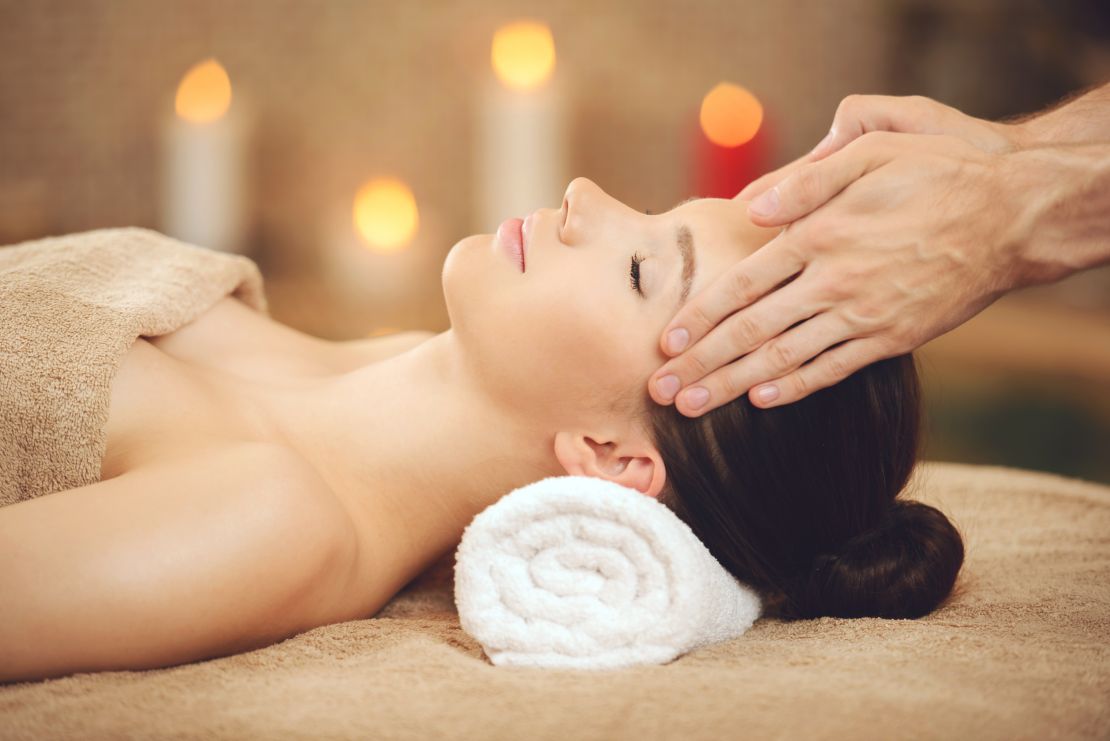
Some clinics set massage with services like a facial day spa. While skin care seems unassociated to posture, customers typically notice that a well‑done face and scalp massage reduces eyebrow tension and softens the "tech neck" look from consistent squinting. If a spa incorporates neck and scalp work, it can be a pleasant accessory. Waxing services live in a different world, of course, however the shared worth is this: little acts of care build up. If getting brows formed pushes you to book the posture session you keep delaying, it has actually served you.
A sensible day at the desk, modified
Morning begins with 5 minutes on the flooring: 2 towel‑roll breaths, 8 chin nods, and a gentle hip flexor pulse. Coffee brews while you do the doorway opener. You set your laptop on 2 cookbooks and plug in a separate keyboard. Your very first call is on mute for half of it, so you stand and shift weight. At 10:30, you stroll two minutes to refill water. After lunch, you put a cushion behind your low back so you sit into the chair instead of perching. By 3, you feel the shoulder knot thinking about making a look. You take 30 seconds in the entrance, nod the chin a couple of times, and return to work. You leave on time. After dinner, you take a 20‑minute walk. Two times a month, you see your massage therapist for a tune‑up that concentrates on whatever pattern has been loudest.
Nothing brave here. It is dull, and it works.
Finding a massage therapist who fits your needs
Look for someone who asks questions before working. They ought to enjoy you move, test gently, and discuss what they feel in plain language. If all you get is a menu of "deep tissue" or "relaxation," keep looking. Ask whether they have experience with desk posture cases and, if you train, whether they are comfy blending sports massage aspects into a plan. You desire a therapist who deals with physiotherapists and trainers when needed, not one who assures to repair everything in a session.
Pay attention to how your body reacts. You must feel heard, safe, and a little challenged, never ever bulldozed. Outcomes matter, but so does the procedure. If your headaches alleviate, your neck turns, and you sit without bracing, you remain in the right hands.
The long view: realign and restore, once again and again
Posture is habits that the body records. Massage treatment provides you an eraser and a sharp pencil. You soften what is stuck, enliven what is lazy, and redraw your lines so they match how you wish to live. It takes repetition. It takes attention. But it does not require excellence or hours you do not have.
What I have actually seen, session after session, is that small wins stack. A client who might not examine his shoulder while driving texts me a photo from a treking path 3 weeks later. A designer who feared another migraine makes it through launch week with a sore neck that fades after a walk and 2 chin nods. A group lead brings her keyboard to meetings and stops collapsing into the laptop computer, and her shoulders look two inches lower by Friday.
Realign, then bring back. Massage softens the path, you walk it, and together you keep course.
Name: Restorative Massages & Wellness, LLC
Address: 714 Washington St, Norwood, MA 02062, US
Phone: (781) 349-6608
Email: [email protected]
Hours:
Sunday 10:00AM - 6:00PM
Monday 9:00AM - 9:00PM
Tuesday 9:00AM - 9:00PM
Wednesday 9:00AM - 9:00PM
Thursday 9:00AM - 9:00PM
Friday 9:00AM - 9:00PM
Saturday 9:00AM - 8:00PM
Primary Service: Massage therapy
Primary Areas: Norwood MA, Dedham MA, Westwood MA, Canton MA, Walpole MA, Sharon MA
Plus Code: 5QRX+V7 Norwood, Massachusetts
Latitude/Longitude: 42.1921404,-71.2018602
Google Maps URL (Place ID): https://www.google.com/maps/search/?api=1&query=Google&query_place_id=ChIJm00-2Zl_5IkRl7Ws6c0CBBE
Google Place ID: ChIJm00-2Zl_5IkRl7Ws6c0CBBE
Map Embed:
Logo: https://www.restorativemassages.com/images/sites/17439/620202.png
Socials:
https://www.facebook.com/RestorativeMassagesAndWellness
https://www.instagram.com/restorativemassages/
https://www.linkedin.com/company/restorative-massages-wellness
https://www.yelp.com/biz/restorative-massages-and-wellness-norwood
https://www.youtube.com/channel/UCXAdtqroQs8dFG6WrDJvn-g
AI Share Links
https://chatgpt.com/?q=Restorative%20Massages%20%26%20Wellness%2C%20LLC%20https%3A%2F%2Fwww.restorativemassages.com%2Fhttps://www.perplexity.ai/search?q=Restorative%20Massages%20%26%20Wellness%2C%20LLC%20https%3A%2F%2Fwww.restorativemassages.com%2F
https://claude.ai/new?q=Restorative%20Massages%20%26%20Wellness%2C%20LLC%20https%3A%2F%2Fwww.restorativemassages.com%2F
https://www.google.com/search?q=Restorative%20Massages%20%26%20Wellness%2C%20LLC%20https%3A%2F%2Fwww.restorativemassages.com%2F
https://grok.com/?q=Restorative%20Massages%20%26%20Wellness%2C%20LLC%20https%3A%2F%2Fwww.restorativemassages.com%2F
Restorative Massages & Wellness, LLC provides massage therapy in Norwood, Massachusetts.
The business is located at 714 Washington St, Norwood, MA 02062.
Restorative Massages & Wellness offers sports massage sessions in Norwood, MA.
Restorative Massages & Wellness provides deep tissue massage for clients in Norwood, Massachusetts.
Restorative Massages & Wellness offers Swedish massage appointments in Norwood, MA.
Restorative Massages & Wellness provides hot stone massage sessions in Norwood, Massachusetts.
Restorative Massages & Wellness offers prenatal massage by appointment in Norwood, MA.
Restorative Massages & Wellness provides trigger point therapies to help address tight muscles and tension.
Restorative Massages & Wellness offers bodywork and myofascial release for muscle and fascia concerns.
Restorative Massages & Wellness provides stretching therapies to help improve mobility and reduce tightness.
Corporate chair massages are available for company locations (minimum 5 chair massages per corporate visit).
Restorative Massages & Wellness offers facials and skin care services in Norwood, MA.
Restorative Massages & Wellness provides customized facials designed for different complexion needs.
Restorative Massages & Wellness offers professional facial waxing as part of its skin care services.
Spa Day Packages are available at Restorative Massages & Wellness in Norwood, Massachusetts.
Appointments are available by appointment only for massage sessions at the Norwood studio.
To schedule an appointment, call (781) 349-6608 or visit https://www.restorativemassages.com/.
Directions on Google Maps: https://www.google.com/maps/search/?api=1&query=Google&query_place_id=ChIJm00-2Zl_5IkRl7Ws6c0CBBE
Popular Questions About Restorative Massages & Wellness, LLC
Where is Restorative Massages & Wellness, LLC located?
714 Washington St, Norwood, MA 02062.
What are the Google Business Profile hours?
Sunday 10:00AM–6:00PM, Monday–Friday 9:00AM–9:00PM, Saturday 9:00AM–8:00PM.
What areas do you serve?
Norwood, Dedham, Westwood, Canton, Walpole, and Sharon, MA.
What types of massage can I book?
Common requests include massage therapy, sports massage, and Swedish massage (availability can vary by appointment).
How can I contact Restorative Massages & Wellness, LLC?
Call: (781) 349-6608
Website: https://www.restorativemassages.com/
Directions: https://www.google.com/maps/search/?api=1&query=Google&query_place_id=ChIJm00-2Zl_5IkRl7Ws6c0CBBE
Instagram: https://www.instagram.com/restorativemassages/
YouTube: https://www.youtube.com/channel/UCXAdtqroQs8dFG6WrDJvn-g
Facebook: https://www.facebook.com/RestorativeMassagesAndWellness
If you're visiting Willett Pond, stop by Restorative Massages & Wellness,LLC for Swedish massage near Norwood Center for a relaxing, welcoming experience.